Homeowners often encounter plumbing issues, a common household challenge that can lead to inconvenient and costly repairs. Understanding proper toilet use is crucial for maintaining a healthy plumbing system. Toilets are designed to handle only specific waste products, and misusing them can result in clogs and damage. This topic is important for homeowners and property buyers to ensure the longevity and efficiency of their plumbing systems.
The Importance of Proper Toilet Use
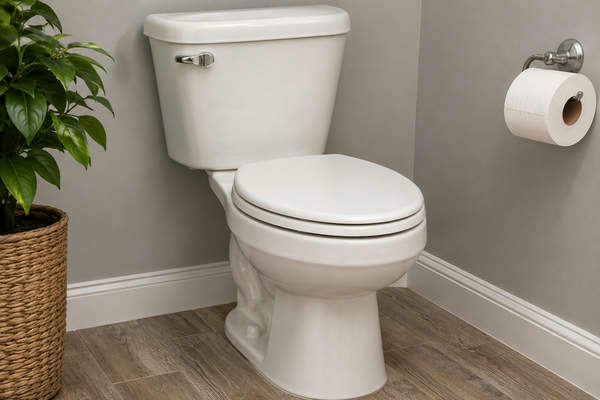
Toilets are engineered to dispose of human waste and toilet paper only. Flushing other items can lead to significant plumbing issues. The pipes connected to toilets are typically no larger than four inches in diameter. Non-flushable items can easily become lodged in these pipes, causing blockages and potential water damage.
- Paper towels and tissues, while similar to toilet paper, do not break down as easily and can cause blockages.
- Cotton swabs, dental floss, and hygiene products are not biodegradable and can contribute to significant clogs.
- Food waste, though organic, should be disposed of through garbage disposals or composting, not toilets.
Tips for Maintaining a Healthy Plumbing System
Maintaining a healthy plumbing system involves more than just proper toilet use. Regular maintenance and awareness can prevent many issues from arising.
- Homeowners should install waste bins in bathrooms to encourage proper disposal of non-flushable items.
- Routine plumbing inspections can identify potential issues before they become major problems.
- Industry standards recommend using only septic-safe toilet paper in homes with septic systems to prevent damage.
Professional Inspections and Best Practices
While homeowners can take steps to maintain their plumbing systems, professional inspections provide a comprehensive overview of a home’s plumbing health. Inspectors assess visible and accessible components, identifying signs of wear or damage that may require attention.
- Visual inspections of pipes and fixtures can reveal leaks or corrosion.
- Assessing water pressure and flow ensures system efficiency.
- Recommendations for further evaluation by licensed specialists may be made if needed.
In conclusion, understanding the limitations of what can be flushed down a toilet protects plumbing systems from unnecessary damage. Professional home inspections provide valuable insights and maintenance recommendations to preserve the integrity of a home’s plumbing infrastructure.